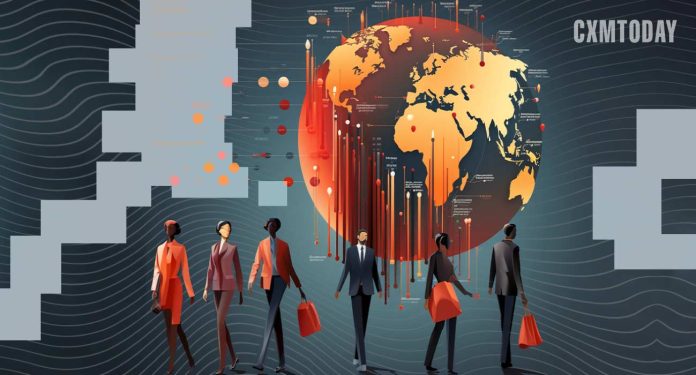
The speed of technological change doesn't seem to be slowing down. From how companies operate as well as how people interact people around them The technology industry continues to transform practically every aspect of contemporary life. Some of these transformations are in the making for a long time and have now reached critical mass, while some have made an appearance quickly and shocked entire industries. It doesn't matter if you're working in technology or simply reside in a globe that is increasingly shaped and defined by it, knowing where things are moving will give you a real advantage. These are the top ten technology trends that are the most significant that will be relevant in 2026/27 or beyond.
1. Artificial Intelligence Changes From Tool To TeammateAI is now no longer an interesting or productive shortcut into something more integrated. In all industries, AI platforms now function as active collaborators, not passive assistants. Software development is where AI is able to write and review code together with engineers. In healthcare settings, AI identifies warning signs that human eyes might not be able to detect. In marketing, content production and legal services, AI takes care of first drafts as well as routine analysis so that human professionals can concentrate to higher-order reasoning. The transition is less about replacement and more about defining how humans do when the repetitive layer is taken care of automatically.
2. The Proliferation Of Agentic AI SystemsA step ahead of standard AI assistants and agents, agentic AI refers to machines that are capable of planning as well as executing multi-step processes autonomously. Instead of responding to just one request such systems break down complex goals, determine the right course of action employ a variety of tools as well as databases, and follow the plan without human intervention. For companies, this translates to AI which can control workflows and research, create notifications, and keep systems up to date at a minimum level of oversight. For the average user, it implies digital assistants that do the work rather than simply answering questions.
3. Quantum Computing Enters Practical TerritoryQuantum computing has been living in the realm of theoretical potential. The situation is shifting. Although universal quantum computers are an ongoing project but specialized systems are beginning to show significant benefits in the areas of drug discovery, materials science, logistics optimization and financial modeling. National and international tech companies as well as government are making more investments into quantum-related infrastructure. The competition to realize a meaningful competitive advantage has been growing. Businesses who are watching now will be far better positioned once the technology has matured.
4. Spatial Computing As well as Mixed Reality Expand Their FootprintIn the wake of the commercial launch of multi-faceted mixed reality headsets that are gaining a lot of attention, spatial computing is gaining practical applications that go beyond gaming and entertainment. Architecture firms use it to provide immersive design reviews. Surgeons rehearse complex procedures in virtual environments. Remote teams collaborate inside sharing three-dimensional spaces. With the advancement of technology and hardware becoming lighter and less expensive, spatial computing is expected to become an everyday method of how digital data is accessible as well as navigated and acted on both in professional and everyday scenarios.
5. Edge Computing Brings Processing Closer to the SourceCloud computing changed what was possible because it centralised processing power. Edge computing is decreasing its centralisation, and for great reason. by processing data near where it's generated, such as in a factory's floor, the hospital ward, or inside an automobile that is connected edge computing decreases delays, improves reliability and reduces the bandwidth demands for constant cloud communication. For applications in which real-time response is a prerequisite, from autonomous vehicles to industry automation through smart urban infrastructure edge computing is increasingly important.
6. Cybersecurity Develops Into A Continuous DisciplineThe threat scene has become increasingly fast and complicated for the previous model of routine checks and reactive patching. The threat landscape will change in 2026/27 when serious organizations will treat cybersecurity as a continuous, organisation-wide discipline rather than being an IT department's concern. Zero-trust architectures, where no user or system is trustworthy in default, is becoming the norm. AI-driven tools analyze networks in real-time, identifying any anomalies prior to them becoming breach points. Humans are the most exploited vulnerability creating a security culture and education equal to any technological solution.
7. Hyperautomation Link The Dots Between SystemsHyperautomation uses a mixture of AI and machine learning and robotic process automation, to determine and automate entire workflows, rather as isolated tasks. Like simple automation it is a look at the connecting tissue between systems that previously required human involvement and eliminates the tension completely. Companies from banking and the insurance industry towards supply chain control and public sector services are finding that hyperautomation doesn't only save money, but transforms what an organisation is capable to deliver at a high speed.
8. Green Tech And Sustainable Digital InfrastructureThe environmental cost of digital infrastructure is being subject to increasing examination. Data centres consume enormous quantities of electricity. Furthermore, the increase in AI training workloads has pushed the use of electricity up. To counter this, the industry spends money on more energy-efficient technology, renewable-powered facilities water cooling, as well as smarter approaches to managing the workload. For businesses with ESG commitments the carbon footprint of their technological stack is not something that can be quietly absorbed into the background.
9. The Democratisation Of Software DevelopmentAI-powered low-code and no code platforms are making software development more accessible to the all those who have no training in programming. Natural user interfaces and visual development environments mean domain experts can develop functional applications that automate complex processes and integrate data systems without having to rely on developers from outside. The number of developers that can develop digital solutions is rapidly expanding and the effects on business agility and technology innovation are a lot.
10. Digital Identity And Data Sovereignty Take Centre StageAs the digital age grows more complex as we move into the digital age, questions about who owns personal information as well as how identity verification is conducted online are now more important than peripheral concerns. Identity frameworks with decentralisation, privacy-preserving technologies, as well as stronger data portability rights are all taking off. In both the public and private sectors, they are pushing for new models that give individuals more genuine control over their digital identities, as well a clearer view of what data they are being utilized. The direction has been established, even if the course remains in dispute.
The trends discussed above are not distinct developments. They feed off and speed up one another making a digital world that is evolving at a rate faster than at any previous point in history. Being informed isn't just useful for technologists. In a society driven by digital influences, this is becoming more pertinent to every person. For further context, check out the leading sverigeposten.se/ for killer deal further info.
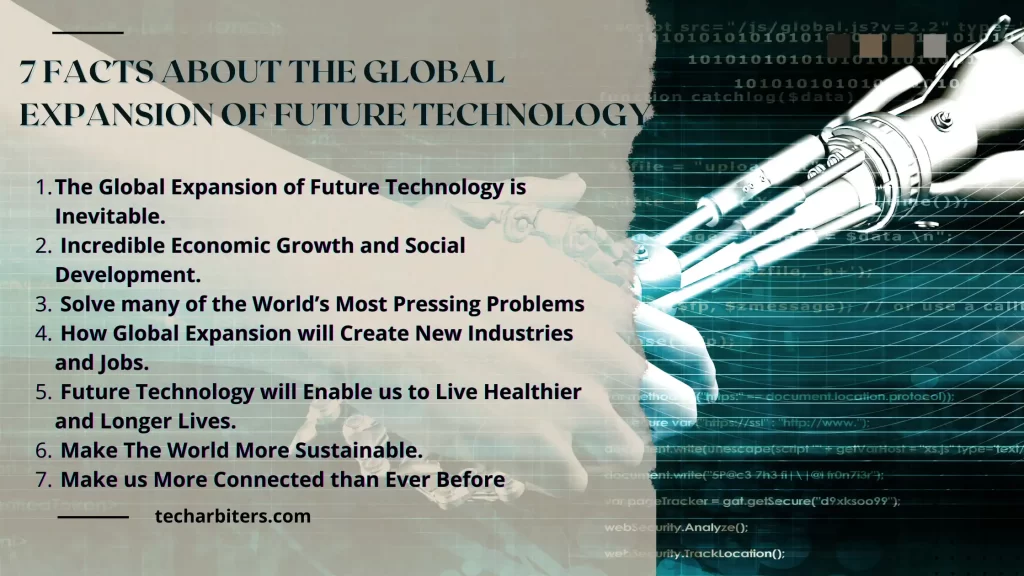 The Top 10 Digital Social Shifts Influencing How We Connect In 2027
Social media is now so deeply woven into the daily routine that detaching its influence from culture more broadly is becoming more difficult. It affects how individuals form opinions, make identities, consume entertainment, follow news, make connections, and are a part of public life. The platforms themselves continue to evolve rapidly driven by competition, regulation and the desire to attract and hold human attention. What's happening in 2026/27 is a media landscape which is more fragmented, more AI-driven, and more important than at any other period. These are the top ten emerging trends in the world of social media that will influence culture heading into 2026/27.
1. AI-Generated Content Inundates Every PlatformThe number of AI-generated posts across popular social media websites has risen to the point of altering the way we consume information. Images, videos and written posts, and even entire accounts generating content that is synthetic at machine speed are commonplace on all major platforms. The implications vary from relatively harmless, AI-assisted authors producing more content more efficiently or the highly destructive artificial misinformation, fabricated personas, and fake consensus operating at a scale that human moderation simply cannot keep up with. The ability to distinguish the human-created from AI-generated content is becoming a technical issue as well as a vital cultural skill.
2. Short-Form Video Remains Dominant But EvolvesShort-form video established itself as the preferred format of content for this time, which will continue to be the dominant format in 2026/27. What is changing is the sophistication of the content as well as the audiences consuming it. Creators are coming up with more nuanced formats that are within the constraints of short-form and audiences are showing growing interest in more substantial content that applies the format to its advantage rather than just optimizing the format for the initial three seconds of attention. The platforms themselves are testing with larger formats and more engagement mechanics as they seek to get beyond the scroll and achieve the kind ongoing time-on the platform that results in economic value.
3. The Creator Economy develops and StratifiesThe economy of the creator has morphed into an important economic sector however, how it distributes its rewards is becoming increasingly disproportional. The small percentage of creators in the top tier of the attention economy earn substantial income, while the large middle-tier struggle to convert their audience into sustainable revenues. Platform algorithmic changes, which increase the amount of content available, and the difficult task of standing out in an environment where AI has the ability to duplicate surface-level content for free are constantly increasing competition on mid-tier creators. The most resilient creator businesses in 2026/27 have been those based on genuine community, distinctive perspectives, and direct monetization systems that eliminate dependence on the platform's algorithms.
4. Decentralised And Alternative Platforms Gain GroundApathy towards centralised platforms, driven by concerns over algorithmic manipulation and data privacy, as well as content moderating inconsistency, and concentration of power within a limited group of technology companies is fuelling growth in alternative social platforms and other decentralised ones. Social networks that are federated, based upon free protocols, niche community platforms catering to specific interest groups and subscription-based models which align the incentives of platforms with the value to users rather than advertiser demands are all reaching out to audiences. The mainstream platforms retain enormous potential for growth, however their ecosystems are becoming increasingly diverse.
5. Social Commerce is now a primary shopping ChannelThe direct integration of sales into social media feeds such as live streams, feeds, and creator content has led to an alteration in consumer behavior that is evident especially among younger demographics. Social commerce, where users can discover shopping and buying goods without leaving a website, is growing rapidly across every social network. Live shopping is a new format for retail that was developed in Asia and gaining popularity globally include retail and entertainment using methods that yield high conversion rates and high engagement. For companies, the influencer connection has transformed from awareness-based marketing into direct sales channels that have measurable revenue attribution.
6. Authenticity And Raw Content Insist Against PolishA reversal from years of aspirationally produced, highly produced designed social media content is leading to a growing demand for rawness genuineness, spontaneity, and imperfections. Creators who release uncensored content or express genuine doubt, and live lives that are at a human level rather than being aspirationally impossible are seeing engaged audiences that polished content struggle to connect with. It's not a total rejection of the quality of content, but the re-evaluation of what quality means in a context where authenticity is itself becoming a competitive advantage. The paradox that authenticity as raw is able to be constructed as well as other formats of content is not lost on the more self-aware areas of the internet.
7. Mental Health And Platform Design Facing Greater ScrutinyThe connection between social media use and the mental state, especially in young people is continuing to provoke significant studies, regulatory attention and public discussion. Age verification requirements, screen-time tools as well as algorithmic transparency obligations and restrictions on certain recommendations for content are currently being implemented or considered across the major jurisdictions. Platform design choices that exploit psychological vulnerabilities to maximize participation are being scrutinized, which has begun to bring about real shifts in how products are built and run. The disconnect between what platforms know about the impacts of their design decisions and what they disclose publicly remains a major source of disagreement.
8. The importance of community and interest-based spaces increases In importanceAs the broad public grid model for social media in which everybody is sharing their posts with everyone on everything, has shown its weaknesses in terms of violence, toxicity, and disturbance, more intimate and more focused communities are growing in popularity. These include subreddits and servers for Discord, Substack communities or private chats and niche forums built around particular areas of interest or identity are where lots of people are finding the online connection and conversation they're no longer expecting from all-purpose platforms. The shift is the result of a bigger appreciation that the scale which can make platforms incredibly powerful also makes them difficult environments for genuine communities to grow.
9. Political And News Content Faces Platform RetreatA number of major social media platforms took deliberate steps in order to lessen the prominence of political and news data in their recommendations, noting the potential for toxicity and the moderation weight it brings to its role in the user experience. This has implications for political debate media, journalism, and political communication are significant and highly debated. For news outlets that constructed distribution strategies around Facebook and Twitter, the recrudescence poses a serious threat. For those who are used to using platforms for direct communication channels, this is creating a need to review their digital strategy. The wider question of what role social media platforms are expected to play in the democratic information ecosystems is unclear.
10. Digital Identity and Online Reputation are Long-Term AssetsThe building of an online presence over years or decades is becoming something people take on with greater deliberateness. Digital identity, the combination of what people have posted, shared, built and been associated with on various platforms, is having real-world consequences for careers, relationships as well as opportunities that could not be fully grasped when social media was relatively new. The control of online reputation and reputation, which includes what content to share with whom, what to curate and which content to delete, and the best way to establish a stable and trusted digital presence in the course of time, is now an everyday skill, rather than something that is only relevant to people in public or media-related roles. The long-term nature and accessibility of online content mean that decisions taken in a casual manner may be repeated in another, with ramifications that are hard to anticipate.
Social media in 2026/27 is far more powerful, contested and has more impact than any other time in its comparatively short history. The changes above represent a landscape in flux, that is being renegotiated by regulators, platforms, people who create them, as well as users. It is essential to be able to navigate the landscape as an individual or a business or a society requires more analytical savvy than the utopian beginnings of social media that could be required. To find further insight, browse these trusted civicmaple.com/ for more reading.